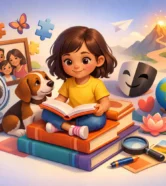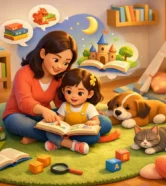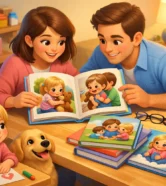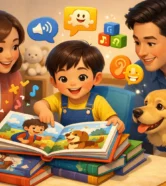
A child leans in differently when a story says their name.
You can see it in their face before they have the words to explain it. They listen a little closer. They notice more. They smile sooner.
When parents compare personalized books vs regular books, that moment of recognition is usually the first thing they notice.
But the deeper difference often comes afterward.
Attention.
Connection.
Confidence.
The feeling of being seen.
That does not mean regular books matter less.
Not at all.
Classic picture books, favorite bedtime stories, and beautifully written general books still give children language, imagination, humor, empathy, and shared memories.
The real question is not which type of book is always better.
The better question is:
What does your child need from the sstory right now?
Personalized Books vs Regular Books: What Changes for a Child?
At the simplest level, regular books tell a story that a child enters as a listener.
Personalized books invite the child into the story as part of its world.
That may sound like a small difference to adults, but for young children, it can feel big.
A regular book asks:
“Can I relate to this character?”
A personalized book gently answers:
“This story relates to you.”
When a child sees their name, appearance, family structre, culture, language, or a challenge they are actually facing, the emotional distance between the child and the story becomes much smaller.
That closeness can increase engagement, especially for children who are hesitant readers, easily distracted, or still building confidence with books.
A child who usually resists story time may suddenly want to turn the page because the story feels personal, not assigned.
For many families, that alone is a meaningful win.
Where Regular Books Still Shine
Regular books bring something important that should never be overlooked.
They introduce children to unfamiliar lives, places, ideas, and emotions. They help children step into worlds that are different from their own. They build empathy by showing children what life might feel like for someone else.
They also give families access to timeless storytelling, beautiful illustration, strong writing, and broad themes that speak across ages.
There is a practical advantage too.
Regular books are easy to find, easy to gift, and often more afordable. A parent can build a varied home library quickly. In classrooms, libraries, and therapy spaces, regular books are also useful because every child can meet the same story together.
And sometimes, a little distance is helpful.
A child working through a fear, family change, or difficult feeling may not always want a story that feels directly about them. In some moments, it is easier to process emotions through another character first.
Regular books can create that safe buffer.
Why Personalized Books Often Feel More Memorable
Children remember what feels connected to their own lives.
That is true in learning, relationships, and storytelling.
When a book reflects a child’s name, favorite details, family context culture, or emotional world, it can become more than a book they heard once.
It can become a story they return to because it helps them understand something about themselves.
This is where personalized books often stand apart.
The best personalized books are not just novelty products that insert a child’s name and call it custom. They are built to support a child’s identity, confidence, and inner life.
If a child is starting school, adjusting to a new sibling, managing worries at bedtimme, or asking big questions about belonging, a well-made personalized story can meet them in that exact season.
That kind of relevance can support emotional learning in a natural way.
A parent saying, “You are brave,” may not always land in a hard moment.
But a story where the child sees a version of themselves practicing courage can feel different.
It gives the message a shape.
Personalized Books vs Regular Books for Confidence and Belonging
For confidence-building, personalized books often have a clear strength.
Young children are still forming their sense of self. In quiet and obvious ways, they are asking:
Who am I?
Do I matter?
Am I safe?
Do people like me belong here?
When a story reflects a child’s world with care, it can answer those questions gently and repeatedly.
A child who sees their skintone, family makeup, home language, culture, or real emotions represented is not only being entertained.
They are receiving a message:
“Your story is worth telling.”
That matters for many children, but especially for children whose experiences are not always centered in mainstream books.
Multicultural families, multilingual homes, neurodivergent children, adopted children, blended families, and children navigating major changes can all benefit from stories that feel less generic and more faithful to real life.
Regular books can absolutely support confidence too, especially when they include relatable characters and thoughtful representation.
But they usually cannot mirror one child’s specific reality as closely as a personalized story can.
The Trade-Offs Parents Should Know
Personalized does not automatically mean better.
Quality matters.
Some personalized books focus heavily on surface details while the story underneath feels weak. If the writing is flat, the plot feels forced, or the emotional arc does not make sense, the book may get an excited first reaction but not much lasting use.
Regular books, on the other hand, often benefit from years of editorial development, strong illustration standards, and proven storytelling structure.
A beautifully crafted regular picture book can become a family favorite for very good reason.
There is also the question of purpose.
If you want to broden your child’s imagination, expose them to different voices, or build a varied reading habit, regular books are essential.
If you want to help your child feel seen during a specific stage or support an emotional goal in a personal way, a personalized book may be the stronger choice.
In most homes, this is not an either-or decision.
It works better as both.
How to Choose the Right Book for the Moment
A helpful place to start is by asking:
What does my child need right now?
If your child needs comfort, reassurance, or help naming a feeling, a personalized book may offer a more direct emotional bridge.
If your child is going through a life transition, such as starting school, moving homes, welcoming a sibling, or dealing with separation anxiety, personal relevance can make story time feel grounding instead of abstract.
If your child needs imagination, variety, and exposure to new perspectives, regular books are a wonderful fit.
They invite curiosity about the wider world and help children practice empathy beyond their own experience.
If your child is reluctant to read, personalization can also be a helpful entry point. Being the hero of the story often creates enough interest to build positive momentum around books.
Once that connection is built, many children become more open to other stories too.
For educators and therapists, the choice often dependss on the setting.
A personalized story can be especially useful for one-on-one support, emotional reflection, or individualized goals. Regular books may work better for circle time, classroom discussion, or shared group activities where a common text matters.
What Makes a Personalized Book Truly Worth It?
The strongest personalized books do more than insert personal details.
They are thoughtful about child development. They are emotionally aware. They are written with care.
They understand that children do not only want to spot their name on the page.
They want to feel recognized.
That means the story should reflect something meaningful.
A transition.
A fear.
A family bond.
A growing strength.
A part of identity that deserves celebration.
The story shouldfeel warm rather than gimmicky. It should support connection between the child and the adult reading it aloud.
This is often where families notice the biggest difference.
Story time becomes less about getting through the pages and more about opening a conversation. A child may ask questions, point out similarities, or return to a part that made them feel understood.
That is often the real value.
Brands like Maple Kids are built around that deeper purpose: using personalized storytelling not just for novelty, but to support confidence, belonging, and emotional growth in a way that feels safe and human.
So, Personalized Books vs Regular Books?
If the goal is literary variety, shared classics, and broad imaginative growth, regular books remain an essential part of childhood.
If the goal is targeted emotional support, stronger self-recognition, and a story experience that feels deeply relevant, personalized books offer something regular books usually cannot.
The best children’s libraries make room for both.
One kind of book teaches children to enter many different worlds.
The other reminds them that their own world matters too.
And for many families, that second message is the one a child carries long after the lights are out and the book is closed.