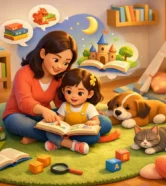



Personalized storybooks are more than sweet keepsakes for children. They can also be a simple and meaningful way to support early learning at home.
For many parents, helping a child build strong reading habits can feel challenging. Some children lose focus quickly. Some are not naturally interested in books. Others need a little extra encouragement to feel confident with reading.
This is where personalized storybooks can make a real difference.
When a child opens a book and sees their own name, family interests, or everyday life inside the story, the reading experience instantly feels more exciting. The book is no longer just about someone else. It feels like it belongs to them.
And when children feel connected to a story, they are more likely to pay attention, ask questions, and enjoy the learning process.
Why Engagement Matters in Early Reading
One of the biggest parts of early literacy is attention.
Children learn best when they are interested. A traditional storybook can absolutely be valuable, but a personalized storybook often creates a stronger emotional connection because the child sees themselves in the story.
Instead of simply reading about a character they do not know, they are reading about “themselves” going on an adventure, solving a problem, meeting new people, or learning something new.
That small detail can completely change the way a child responds to reading.
Personalized stories can help children:
Pay closer attention
Stay interested for longer
Ask more questions
Join in during storytime
Remember details more clearly
When reading feels personal, it becomes less like a task and more like an experience.
Helping Children Build Vocabulary
Vocabulary grows when children hear and use words often.
Personalized storybooks can introduce new words in a way that feels natural. Because the story is connected to the child’s life, they are more likely to notice unfamiliar words and want to understand them.
For example, if a story includes your child visiting a garden, preparing for school, helping a friend, or going on a family trip, new words are introduced through a situation they can imagine clearly.
This helps children connect meaning to language.
They may begin to ask:
“What does that word mean?”
“Why did I say that in the story?”
“What happens next?”
These small questions are important. They show curiosity, and curiosity is one of the strongest foundations for learning.
Over time, repeated exposure to new words helps children use stronger vocabulary in everyday conversation, reading, and writing.
Encouraging Children to Enjoy Reading
A child who enjoys reading is more likely to read often.
That sounds simple, but it matters a lot.
Many children resist reading because it feels like homework or something they have to do. Personalized storybooks can help change that feeling. When the story is about them, children naturally become curious.
They want to know what happens next.
They want to hear their name.
They want to see how they solve the problem.
They want to be part of the story.
This kind of motivation is powerful because it comes from the child, not just from the parent.
When children are excited to read, they are more likely to build:
Independent reading habits
Stronger fluency
Better comprehension
More confidence with books
A positive relationship with learning
Reading motivation in the early years can shape how children feel about school and learning later on.
Supporting Memory and Thinking Skills
Personalized books can also help children remember information more easily.
When a story includes familiar names, places, routines, or emotions, the child’s brain connects the story to real life. That connection can make the information easier to understand and remember.
For example, a child may remember the order of events better when the story is about their own morning routine, birthday, family, pet, or school experience.
This can support skills such as:
Memory recall
Sequencing
Problem-solving
Critical thinking
Understanding cause and effect
These are important learning skills that children use far beyond reading time.
A personalized story does not just tell a child what happened. It invites them to think about why it happened, how the character felt, and what could happen next.
Building Confidence Before the Classroom
Confidence often starts at home.
When children feel successful during storytime, they begin to see themselves as capable learners. That feeling can follow them into the classroom.
A child who enjoys reading at home may feel more comfortable raising their hand, reading aloud, answering questions, or trying new activities at school.
Personalized storybooks can create positive reading experiences that help children feel proud of themselves.
This can support:
More classroom participation
Better reading-aloud confidence
Stronger writing skills
Improved comunication
A more positive attitude toward learning
For some children, confidence is the missing piece. They may have the ability, but they need encouragement. Seeing themselves as the hero of a story can gently remind them that they are capable.
A Learning Tool That Does Not Feel Like Homework
Parents often look for educational tools that are helpful but still enjoyable.
Personalized storybooks are special because they combine learning with emotion, imagination, and family connection. They support reading development without making the child feel pressured.
They can help with:
Language development
Vocabulary growth
Focus and attention
Reading motivation
Independent learning
Creative thinking
Storytime becomes more than just reading words on a page. It becomes a shared moment where the child feels involved, valued, and excited to learn.
Long-Term Benefits of Early Reading Confidence
Strong reading skills can support chidren in many areas of school.
Children who develop early literacy skills are often better prepared for writing, communication, problem-solving, and understanding more complex subjects later on.
Personalized storybooks can help build the foundation for these skills by making reading feel meaningful from an early age.
When a child enjoys books, they are more likely to keep reading. And the more they read, the more they learn.
That steady progress can support:
Stronger language skills
Better comprehension
Improved communication
More confidence in school
A lifelong love of reading
Final Thoughts
Learning does not only happen in the classroom. It also happens during quiet bedtime stories, weekend reading moments, and small conversations between parents and children.
Personalized storybooks help turn those moments into something even more powerful.
By making the child part of the story, these books can increase engagement, improve vocabulary, support memory, and build confidence. Most importantly they help children see reading as something enjoyable and personal.
When children are excited to read, learning becomes easier.
And sometimes, the best way to help a child grow is to let them see themselves as the hero of the story.