A preschool birthday can feel enormous in the best way. There may be balloons on the kitchen table, a favorite breakfast, a call from faraway family, and one child proudly announcing, again and again, how old they are now. Personalized gifts for preschoolers can hold onto that excitement after the cake is gone, especially when the gift reflects the child’s real world rather than simply adding their name to a generic page.
For children ages 3 to 5, a birthday is not only a party. It is a chance to notice growth, belonging, and the people who care for them. A thoughtfully made birthday story can turn those big, happy feelings into a familiar experience they can revisit at bedtime, during quiet time, or with a grandparent who could not be there in person.
Why birthdays matter to preschoolers
Preschoolers are beginning to understand time in small, concrete ways. They may not fully grasp what a year means, but they understand that birthdays mark a special change: a new number of candles, a new favorite activity, and a day when their family gathers to celebrate them.
That attention can bring more than excitement. Some children feel shy when everyone sings. Others are uncertain about a new routine, a busy gathering, or sharing toys with visiting friends. A birthday story gives them a gentle, low-pressure way to see the day unfold. They can recognize familiar moments, name what feels exciting or overwhelming, and imagine themselves moving through the celebration with confidence.
The goal is not to make a birthday perfect. It is to help a child feel seen within it. When a story includes their family traditions, their favorite comfort item, and the small details they notice, it becomes a meaningful record of who they are right now.
What makes personalized gifts for preschoolers feel personal
A child can tell the difference between being mentioned and being understood. Seeing their name on a cover is exciting, but a truly personal story goes further: the child is the active explorer of an experience shaped around their life.
For a birthday book, that might mean a child wakes up in their own room and finds a hand-drawn clue from their pet. Their older sibling helps prepare a celebration game. A beloved aunt joins by video call, or grandparents bring a family dish that is part of the celebration each year. The child may choose an adventure theme they already love, such as dinosaurs, space, animals, or a magical garden.
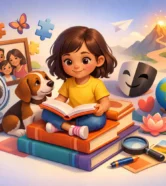
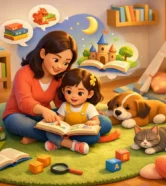
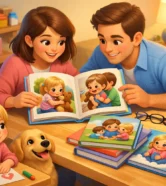
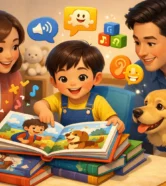
Their illustrated likeness can appear throughout the book with recognizable features, expressions, and clothing that feel comfortable and familiar. Consistent characters matter here. When the child sees the same caring parent, sibling, friend, or pet from page to page, the story feels coherent and safe. It is their world, not a collection of disconnected scenes.
High-quality illustrations also give young children more to notice. A preschooler may point to the family dog wearing a party hat, find a familiar stuffed animal on the bed, or recognize decorations from their cultural or family celebration. These visual details invite rereading, conversation, and shared laughter. They help the story remain interesting long after the birthday itself.
A MapleKids birthday story concept
Imagine a personalized book called Maya’s Birthday Star Map. Maya is turning four and loves rockets, purple sneakers, and looking for the moon from her apartment window. On the morning of her birthday, she finds a star-shaped invitation that leads her through a gentle space-themed scavenger hunt.
Each stop is grounded in her real life. Her dad gives her the first clue while making pancakes. Her little brother follows with a cardboard telescope. Her grandmother appears in a family photo beside a message in the language she speaks with Maya at home. At the final stop, Maya discovers that the “birthday star” is not a faraway planet. It is the care shared by the people who know her best.
The adventure is playful, but it also gives Maya a role. She makes choices, asks questions, helps her brother, and welcomes guests when they arrive. If large celebrations feel like a lot for her, the story can gently introduce a small, achievable step, such as taking a quiet moment with a parent before joining the group or practicing how to say, “Thank you for coming.”
The plot should fit the child, not force the child into a preset birthday script. A child who prefers a calm day could have a cozy backyard treasure hunt. A child who loves family traditions could travel through favorite memories with relatives. For a family celebrating in more than one language, the story can include meaningful phrases naturally, making room for the child’s whole identity.
A gift that supports connection after the party
Many birthday gifts are exciting in the moment but quickly become part of a crowded playroom. A personalized storybook offers a different kind of value. It creates an easy ritual for connection: one more story before bed, a chance to talk about the celebration, or a way for caregivers to hear what the child liked most.
As children revisit the book, they may retell parts in their own words. They might explain why their pet was included, correct a grown-up who skips a page, or remember that they felt nervous before guests arrived. This kind of conversation can support language, memory, and emotional expression without turning reading time into a lesson.
It can also help family members participate from a distance. A grandparent, godparent, or family friend may not know which toy is currently popular, but they can give a story that includes the child’s home, favorite people, interests, and birthday wish. The result feels intentional rather than last-minute.
How to make the birthday story feel true to the child
The most helpful personalization begins with a few specific details rather than a long list. Think about what your child would immediately recognize. Their favorite food, a well-loved pet, a nickname used by a close relative, or the place where they like to play can make a story feel wonderfully familiar.
It also helps to consider the feeling you want the book to carry. Is this birthday about celebrating a new sibling relationship, remembering a first trip, honoring a cultural tradition, or helping a child feel comfortable with a small gathering? One clear emotional thread gives the story warmth and focus.
Keep the child’s age in mind as well. Preschoolers respond best to simple story arcs, clear cause and effect, gentle humor, and illustrations that make the action easy to follow. They do not need a complicated plot to feel captivated. They need to recognize themselves as capable, loved, and central to the adventure.
Two ways to extend the gift beyond reading
After reading, invite your child to choose one favorite page and tell you what is happening there. Their answer may be imaginative, practical, or surprisingly emotional. Following their lead keeps the conversation enjoyable and lets them decide what part of the birthday mattered most.
You can also use the book as a small bridge between celebration and everyday life. If the story includes a kind thank-you moment, a helpful sibling scene, or a quiet pause before guests arrive, you can notice that moment together later. A simple comment such as, “You found a calm space just like you did in your story,” creates shared language without pressure.
A personalized birthday book does not need to replace the noise, joy, or beautiful mess of a real celebration. It can preserve the details a preschooler may otherwise forget and remind them, page by page, that their story is worth telling. Maple-Kids can shape that story around one child’s face, family, interests, culture, and birthday magic, creating a gift that still feels like theirs long after they have blown out the candles.