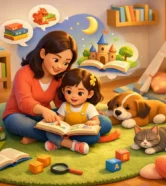



The pajamas are on, the lights are low, and suddenly your child needs water, one more hug, a different stuffed animal, and a detailed answer to a question that could not possibly wait until morning. Bedtime resistance can be exhausting, especially when everyone is tired. Understanding how storybooks reduce bedtime resistance starts with recognizing that children are often not trying to make the evening difficult. They may be delaying a separation, processing a busy day, or wishing they had more control over a routine that feels like it happens to them.
For young children, a familiar story can turn bedtime from a series of adult instructions into a shared, predictable experience. A thoughtfully personalized book can make that experience feel even closer to home: the child sees their own name, family, comfort objects, and everyday world reflected on the page. Instead of hearing only, “Time for bed,” they can follow a character who feels like them as they take small, manageable steps toward sleep.
Why bedtime can feel hard for children
The end of the day asks a lot of a child. Play stops. Caregivers may become less available. The house gets quieter, while worries, excitement, and unfinished ideas can feel louder. A child who is resisting bedtime may be communicating a need for connection, reassurance, predictability, or a little more time to transition.
That does not mean every delay should become a long negotiation. It does mean that connection often works better than pressure. When children feel seen, they are more able to practice the next step. A calm bedtime story creates a pause where a caregiver and child can settle together before the final goodnight.
Stories are especially helpful because they give children language for an experience that can otherwise feel vague. A character can say, “I wish I could keep playing,” or “My room feels different when it is dark.” The child may not need to explain those feelings directly to recognize them. That recognition can be comforting in itself.
How storybooks reduce bedtime resistance through routine
A bedtime book is not a magic solution, and some evenings will still be hard. Illness, travel, family changes, overstimulation, and developmental shifts can all affect sleep. Yet reading the same kind of story in the same place each night can support a gentle rhythm. The book becomes a clear cue: after the story comes the final cuddle, then rest.
Unlike a rushed reminder, a story slows the sequence down. Children can see what happens first, next, and last: putting toys away, brushing teeth, choosing pajamas, saying goodnight, getting cozy, and resting. Repetition makes the order more familiar. Over time, the routine can feel less like a surprise or a demand and more like something the child knows how to do.
A story also offers a low-pressure way to rehearse. The main character can take one small step even when they do not feel completely ready. Perhaps they put one toy in the basket, choose between two pajamas, or ask for a hug before climbing into bed. These are realistic actions, not perfect behavior. They show children that being tired, disappointed, or unsure can exist alongside cooperation.
Shared language makes the routine easier to revisit
When a story has been read many times, it can create helpful shorthand for busy evenings. A caregiver might say, “It’s time for the moonlight check,” referring to a gentle moment in the book when the character looks around their cozy room. Or they might ask, “What helped you feel ready, like in your story?”
This approach can support rather than replace a child’s feelings. If they say they are not ready, a parent can respond, “You wish we had more time together. Let’s do our story, one cuddle, and then we’ll see your bedtime star.” The boundary remains clear, while the child receives connection and a familiar path forward.
Why personalization can make a bigger difference
Children often listen differently when a story reflects their actual life. A generic character may be enjoyable, but a child who recognizes their own nickname, their grandparent’s goodnight phrase, or the family dog curled by the bed may feel more deeply included. Personalization helps move the lesson from something that happens in a book to something they can practice in their own room.
A MapleKids bedtime story could feature a preschooler named Maya as the active explorer in her own evening routine. Maya might wear her favorite green pajamas, place her dinosaur beside her pillow, say goodnight in the family’s home language, and notice the same framed photo that hangs near her bed. Her parents, sibling, two moms, single parent, grandparents, or other important caregivers can be represented naturally. The story can honor the family’s cultural traditions and the details that make bedtime feel familiar.
High-quality illustrations matter here. Young children read pictures closely. Seeing a consistent illustrated likeness of themselves across each page helps them follow the emotional arc: Maya is disappointed that playtime is over, chooses one last activity, completes her routine with support, and settles with a sense of safety. The child is not simply told what to do. They see someone like them practicing it.
Personalization can also reflect the specific barrier a family is facing. A child who repeatedly asks for another drink might see their character fill a special bedtime water cup before the story begins. A child who worries about the dark might help a friendly firefly check the room, then choose a night-light. A child who misses a parent working late might include a loving goodnight note or voice-message ritual within the story. The goal is not to erase a real feeling. It is to gently introduce a coping step and a reassuring routine around it.
Keep the story calm, brief, and repeatable
The best bedtime stories are not always the most exciting ones. A high-energy adventure can be wonderful earlier in the day, but close to sleep, many children benefit from a quieter plot, softer pacing, and a reassuring ending. The character can still have imagination and agency without racing through a loud, suspenseful quest.
For toddlers and preschoolers, a short story with repeated phrases and clear pictures may be easiest to revisit. Early elementary-aged children may enjoy slightly more detail, such as a character noticing their thoughts, preparing for tomorrow, or solving a small bedtime problem. It depends on the child’s temperament, language development, and what tends to make them feel secure.
Try to keep the reading experience consistent. Choose a comfortable spot, let your child hold a familiar stuffed animal if they want to, and keep the ending the same. If they request the book again, you can warmly say, “We read it once tonight. We can read it again tomorrow.” Predictability is part of the comfort.
Two small ways to bring the story into real life
First, invite your child to choose one bedtime step from the story that they want to practice. Keep it modest. They might place their shoes by the door for tomorrow, pick one stuffed animal for bed, or turn off the bedroom light with your help. A small success is more useful than a long checklist.
Second, talk about the character’s feelings before asking about your child’s. “Maya wanted to keep building her tower. How do you think she felt when it was time to stop?” This can feel safer than asking a tired child to explain their own resistance immediately. If they do share, listen first. You may discover that the repeated request for one more snack is really about wanting another moment with you.
A personalized story cannot guarantee an easy bedtime, but it can create a steady place to practice connection, language, and manageable routines. When a child sees their own world held with care on the page, bedtime can become less about resisting the end of the day and more about returning to something safe, familiar, and shared.