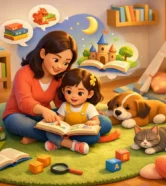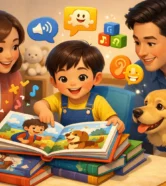



A child notices the details adults sometimes overlook: the way their name sounds at home, the food on the table, who picks them up from school, the language a grandparent uses for a hug. Custom books for child identity make room for those details on the page. Rather than asking a child to step into someone else’s world, a personalized story invites them to recognize their own.
That recognition can be powerful. When children see their appearance, family, feelings, and experiences reflected with care, they receive a quiet but meaningful message: My story belongs. I belong. For parents and caregivers, a custom book can become more than a bedtime favorite. It can be a gentle tool for connection, conversation, and growing confidence.
Why identity belongs in a child’s story
Young children are constantly learning who they are in relation to the people around them. They are noticing similarities and differences, testing new abilities, and trying to understand where they fit. This development does not happen only through direct lessons. It happens in ordinary moments, including the stories they hear again and again.
A book featuring a child’s name and likeness can immediately hold their attention. But the deeper value comes from what the story reflects beyond those first details. A child may see their two dads cheering them on, their blended family gathering for dinner, a head covering they wear with pride, a beloved pet, or the apartment building they call home. These are not decorative extras. They tell a child that the people and routines that shape their life are worthy of being seen.
Representation in books matters for every child, but personalization adds another layer. A broad, inclusive book might show a family like yours. A custom story can show your family, with the names, relationships, and experiences that make it distinct.
Custom books for child identity can support emotional growth
Identity is not limited to appearance, heritage, or family structure. It also includes the way a child experiences the world. A child who is cautious in new groups, frustrated by big feelings, nervous about a move, or adjusting to a new sibling may be asking, in their own way, “Is this feeling part of who I am?”
A thoughtfully personalized story can answer with compassion. The child becomes the hero of a situation that feels familiar, but the story gives them emotional space and a hopeful path forward. They may meet a challenge, name a feeling, accept support, and discover a small next step. The goal is not to make fear or sadness disappear by the final page. It is to help a child feel understood and capable of moving through hard moments.
For example, a story about a child starting a new school can include nervous butterflies, a familiar family ritual before drop-off, and a teacher who offers a warm welcome. A story about anger can show the child practicing a calming strategy without labeling them as “bad” for having a strong reaction. When the character shares the child’s name and world, the lesson can feel less like instruction and more like encouragement.
This is especially useful because children often talk more freely about a character than about themselves. A parent can ask, “What do you think happened when Maya felt left out?” or “What helped Maya ask for help?” Even when Maya is the child sitting beside them, the story creates a comfortable little bit of distance. That distance can make room for an honest conversation.
Familiar details create safety
Children learn through repetition. A favorite personalized book can become a steady companion during a period of change, whether that is a new classroom, a family separation, a move, or a difficult bedtime phase. Each rereading offers the same reassuring structure: this child is known, this feeling has a place, and support is available.
The familiar details matter here. Seeing a trusted caregiver, a meaningful cultural tradition, or a recognizable home routine can help a child settle into the story. It anchors emotional learning in something real rather than making it feel abstract.
What makes a personalized identity book meaningful
Not every book with a child’s name delivers the same experience. Some personalization stops at adding a name to a standard adventure. That can be fun, and there is certainly room for simple delight. But when a family is choosing a book to support identity and emotional growth, it helps to look for personalization with depth.
A meaningful story begins with careful listening. It considers the child’s age, interests, family context, and the moment they are living through. A preschooler who loves trucks and is worried about sleeping alone needs a different story than an elementary-age child adjusting to a new baby at home. The language, pace, emotional challenge, and resolution should fit the child, not just the occasion.
It should also avoid turning a child into a problem to solve. Children are more than their shy moments, learning differences, worries, or transitions. A caring story can acknowledge a challenge while still showing their humor, curiosity, strengths, relationships, and joy. That balance protects dignity. It reminds children that a hard experience is something they may be having, not the whole of who they are.
At MapleKids, AI is used as a thoughtful creative tool to shape stories around the real child and family behind the book. The technology is valuable because it can support detailed personalization, but the heart of the experience remains human: helping a child feel loved, represented, and encouraged.
Choosing the right story for your child
The best starting point is often a simple question: what do you hope your child feels when you close the book together? You may hope they feel brave before a doctor’s visit, proud of their cultural roots, less alone in a big transition, or more confident using their voice. That feeling can guide the story’s purpose.
Share details that make the story emotionally true. A favorite stuffed animal, the name of a sibling, a family tradition, or a phrase your child hears at home can make the narrative feel deeply familiar. If a child is facing a challenge, describe it gently and specifically. “She feels worried when I leave at preschool drop-off” gives more useful direction than “She has anxiety.” The aim is to honor the child’s lived experience without placing adult language or expectations on their shoulders.
It also helps to consider readiness. Some children want a story that names a hard change directly. Others respond better to a softer metaphor, such as a small explorer finding courage in an unfamiliar forest. Neither approach is automatically better. It depends on the child’s age, temperament, and what helps them feel safe.
For educators and therapists, personalized stories can support a child’s existing care plan or classroom work. They are not a replacement for professional assessment or treatment when a child needs it. Still, they can offer a warm, repeatable way to reinforce emotional vocabulary, coping skills, and a sense of belonging between sessions or school days.
Read it together, then let the child lead
A personalized book does not need a perfect discussion guide. Start by reading slowly and noticing what catches your child’s attention. They may point out a picture, laugh at a familiar detail, or skip ahead to the part that feels most important. Follow their lead.
Afterward, a few open questions can extend the connection: “Which part felt like you?” “What would you do next?” “Who helps you when you feel that way?” If your child does not want to talk, that is okay too. The act of being seen in a story can do meaningful work before they have words for it.
Keep the book accessible rather than saving it for special occasions. Place it in the bedtime basket, bring it along during a transition, or let a child revisit it independently. Over time, they may find new meaning in the same pages as their confidence and understanding grow.
A child does not need to be extraordinary to deserve a story made with care. Their everyday world – their name, their people, their questions, and their growing heart – is already worth telling. When they see that truth reflected back to them, they carry a little more belonging into the next part of their day.