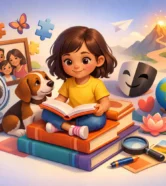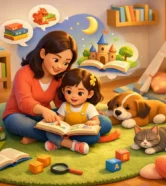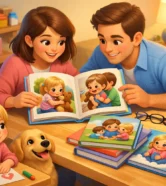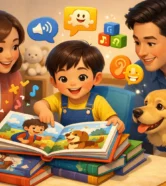
One of the sweetest moments in preschool reading happens right after a child hears their own name in a story. They sit up straighter. They point to the page. Sometimes they smile before anything big has even happened in the plot. That small reaction helps explain why name storybooks for preschoolers have become such a meaningful choice for families, teachers, and therapists. For young children, hearing their name in a story is not just exciting. It can also support identity, confidence, and emotional connection.
At the preschool stage, chidren are still learning who they are in relation to their family, classroom, and wider world. They are noticing differences, testing independence, and trying to make sense of big feelings with a still-growing vocabulary. A story that places them at the center can meet them right where they are. Done well, it turns reading from passive entertainment into something more personal and supportive.
What makes name storybooks for preschoolers different?
A standard picture book can absolutely be wonderful. Preschoolers do not need every story to be custom-made in order to enjoy reading or learn from it. But name storybooks offer something different. They give a child a direct bridge into the story because the main character feels immediately familiar.
That familiarity matters most when a child is still building attention, language, and self-understanding. When the hero shares their name, and sometimes their appearance, family details, or daily challenges, the story often feels easier toenter. Children are more likely to stay engaged when they sense that the book is about someone like them, or more precisely, about them.
This is where personalization goes beyond novelty. A book that simply drops a child’s name into a generic adventure may get a quick delighted reaction, but it may not hold deeper value. A more thoughtful name storybook reflects the child’s age, world, and emotional needs in a way that feels caring rather than gimmicky.
Why a child’s name has such a strong emotional effect
A child’s name is one of the first words that feels fully theirs. They hear it in loving moments, in routines, in correction, in celebration, and in comfort. It is tied to attachment and recognition long before they can explain those ideas.
So when that name appears in a story, the book can feel unusually safe and important. For some preschoolers, this creates a stronger willingness to participate. They want to turn the page. They want to answer questions. They want to talk about what the character is feeling because the character already feels connected to them.
This can be especially helpful for children who are hesitant readers, highly sensitive, adjusting to change, or still developing confidence in group settings. A familiar name can lower the barrier to engagement. It says, in a quiet but powerful way, you belong here.
The developmental benefits of name storybooks for preschoolers
The biggest strength of personalized books is not that they are customized. It is what thoughtful customization can support.
Confidence and self-recognition
Preschoolers are in the early stages of forming self-esteem. They are collecting signals about whether they are capable, lovable, included, and seen. A story that positions the child as the main character can reinforce those messages gently. Instead of always watching someone else solve the problem, they experience themselves as brave, kind, curious, or persistent.
That does not mean every story should praise a child nonstop. In fact, books work better when they show growth rather than perfection. A child who feels nervous, makes a mistake, asks for help, and then keeps going is often more empowering than a flawless hero
Language and attention
Preschoolers learn through repetition, rhythm, and emotional relevance. A personalized story naturally increases relevance. Children often listen more closely when they hear their own name, familiar family roles, or recognizable routines. That extra attention can support vocabulary growth, comprehension, and participation during read-aloud time.
For adults, this often shows upp in small ways. A child interrupts less. They repeat phrases from the book. They retell the story later during play. Those are useful signs that the story landed.
Emotional learning
Many preschoolers feel big emotions before they can describe them clearly. A story can help organize those feelings into something understandable. When the main character shares the child’s name and faces a relatable challenge like starting school, feeling left out, being scared at bedtime, or missing a parent, the emotional lesson often feels more accessible.
This is one reason personalized books can be so useful beyond bedtime. Families, educators, and therapists often use them as lowpressure tools for emotional conversation. The child is not being asked to explain themselves directly at first. They can talk about the character, which feels safer, even when the character is clearly based on them.
Belonging and representation
Children notice whether books reflect their family, culture, language, and home life. When a story includes those details with care, it can help a child feel recognized rather than overlooked. This is especially meaningful for multicultural families, multilingual households, adoptive families, blended families, and children whose day-to-day experience is not always mirrored in mass-market books.
Representation is not a bonus feature. For many children, it is part of feeling that their life makes sense in stories.
What to look for in a good personalized storybook
Not all personalized books offer the same kind of value. Some are playful keepsakes, which is perfectly fine. Others are designed with more emotional and developmental depth. The right choice depends on what you want the book to do.
If your goal is a memorable gift, simple name insertion might be enough. If your goal is support around confidence, emotional growth, or a specific life transition, you will want more than that.
Look for stories that feel age-appropriate, with clear language and gentle pacing. The personalization should sound natural, not awkwardly inserted. The emotional message should be simple enough for a preschooler to follow but not so flat that it loses warmth. It also helps if the story reflects real family context instead of assuming every child lives the same way.
Illustration style matters too. Preschoolers respond to emotional tone through pictures as much as words. Warm, expressive artwork can make the story feel inviting and reassuring.
When personalized books are especially helpful
There are seasons of early childhood when a personalized story can do more than entertain.
Starting preschool is a common one. So are moves, new siblings, bedtime fears, potty training, grief, separation anxiety, or struggles with confidence. In these moments, children often benefit from repetition and predictability. A story that mirrors their challenge can help them rehearse coping skills in a calm setting.
That said, a personalized book is not a cure-all. Some children love seeing themselfes in stories right away. Others need time. A child going through a hard transition may not want the story to feel too direct at first. In that case, a gentler approach works better, where the connection is present but not overly intense.
It depends on the child, the timing, and the tone of the book.
How adults can get more from story time
The book matters, but the reading relationship matters too. Preschoolers get the most from personalized stories when an adult reads with warmth and curiosity, not pressure.
Pause when your child reacts to a page. Let them point things out. Ask simple questions likke, “How do you think they feel here?” or “What would you do next?” If the story touches on a fear or challenge, resist the urge to turn it into a lesson too quickly. Often the best conversations happen when the child feels free to explore the story without being corrected or analyzed.
For educators and therapists, personalized books can become useful bridges. They create a shared reference point. Instead of asking a child to talk abstractly about bravery or sadness, you can return to a scene from the book and build from there.
A more thoughtful kind of personalization
The most meaningful personalized books are not impressive because they use technology. They are meaningful because they use personalization in service of connection. That is an important distinction.
Wwhen care leads the process, a custom story can help a child feel seen in a way that is both simple and lasting. A thoughtful brand like MapleKids focuses on that deeper layer, shaping stories around not just a child’s name, but their emotional world, family context, and growing sense of self.
For preschoolers, that kind of story can become part of the rhythm of home and care. Not because it is flashy, but because it feels true. And when a child hears their name spoken with warmth on the page, they are hearing something many young children need again and again: this story has room for you.